Delacroix, Chopin, and Artistic Friendships Across Genres
Delacroix, Chopin, and Artistic Friendships Across Genres
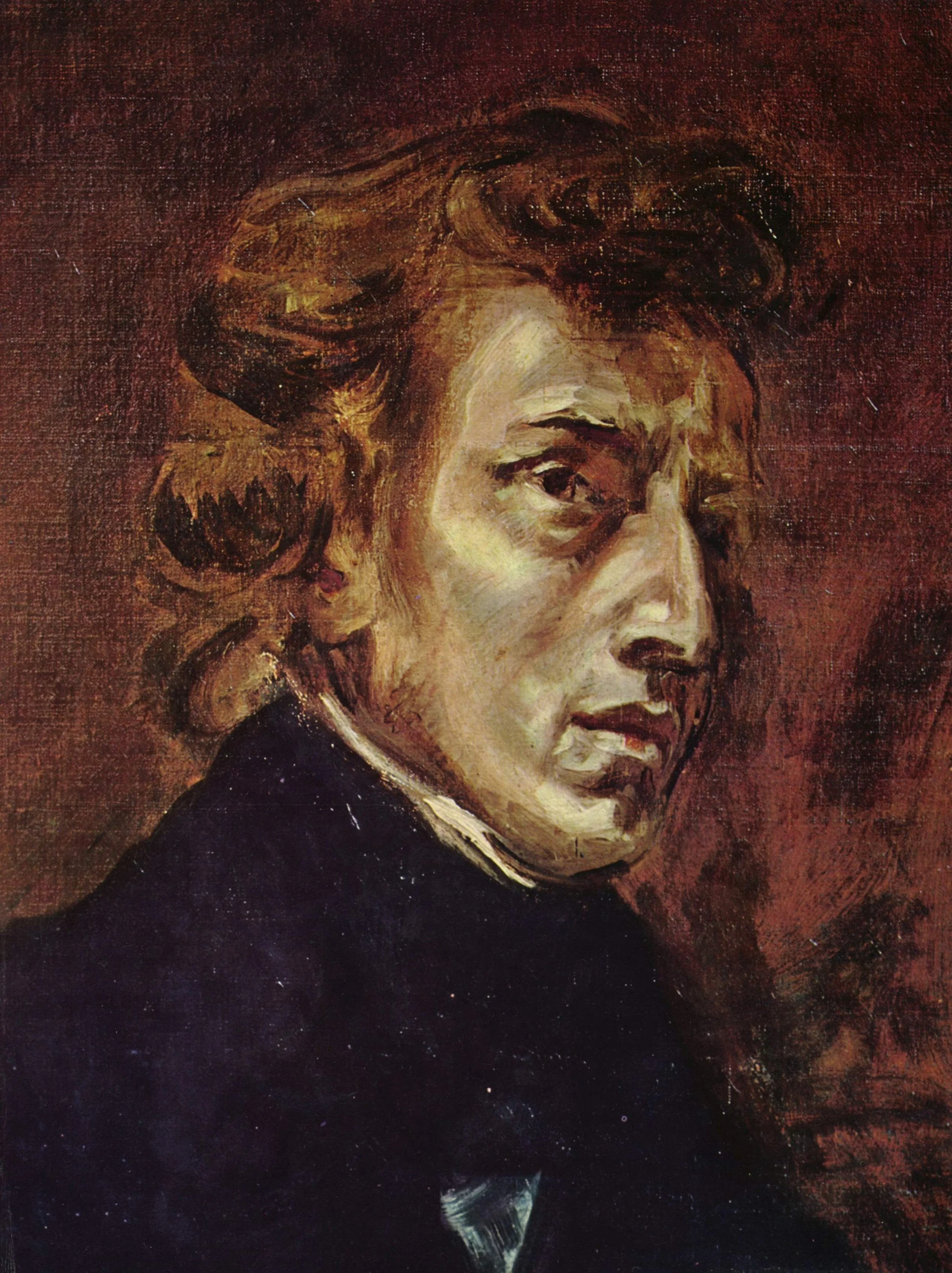
Eugène Delacroix: Frédéric Chopin (1838), on exhibit at Musée du Louvre (Paris)
By Mizuho Yoshimune
It is always fascinating to learn about what was taking place in a composer’s life while a particular piece was being composed — both in the composer’s personal life and the world events of the time. Yesterday, as I was working on Chopin’s Sonata No.3 in b minor, Op.58 (1844), a sudden thought came to me in which I recalled going to an exhibit on the French Romantic artist Eugène Delacroix at the Metropolitan Museum of Art in New York City back in 2018, where among the vast, comprehensive collection of over 150 works spanning his lifetime, was also on display a page from Delacroix’s journal in which he mentioned visiting Chopin and George Sand (Amantine Lucile Aurore Dupin). Upon checking the date of the journal entry, alas, it was from 1847 (and thus not concurrent with when Chopin’s third sonata was being composed), but it nonetheless led to some fascinating discoveries about the artistic friendship between Chopin and Delacroix — two artists who led the Romanticism movement in music and art, respectively.
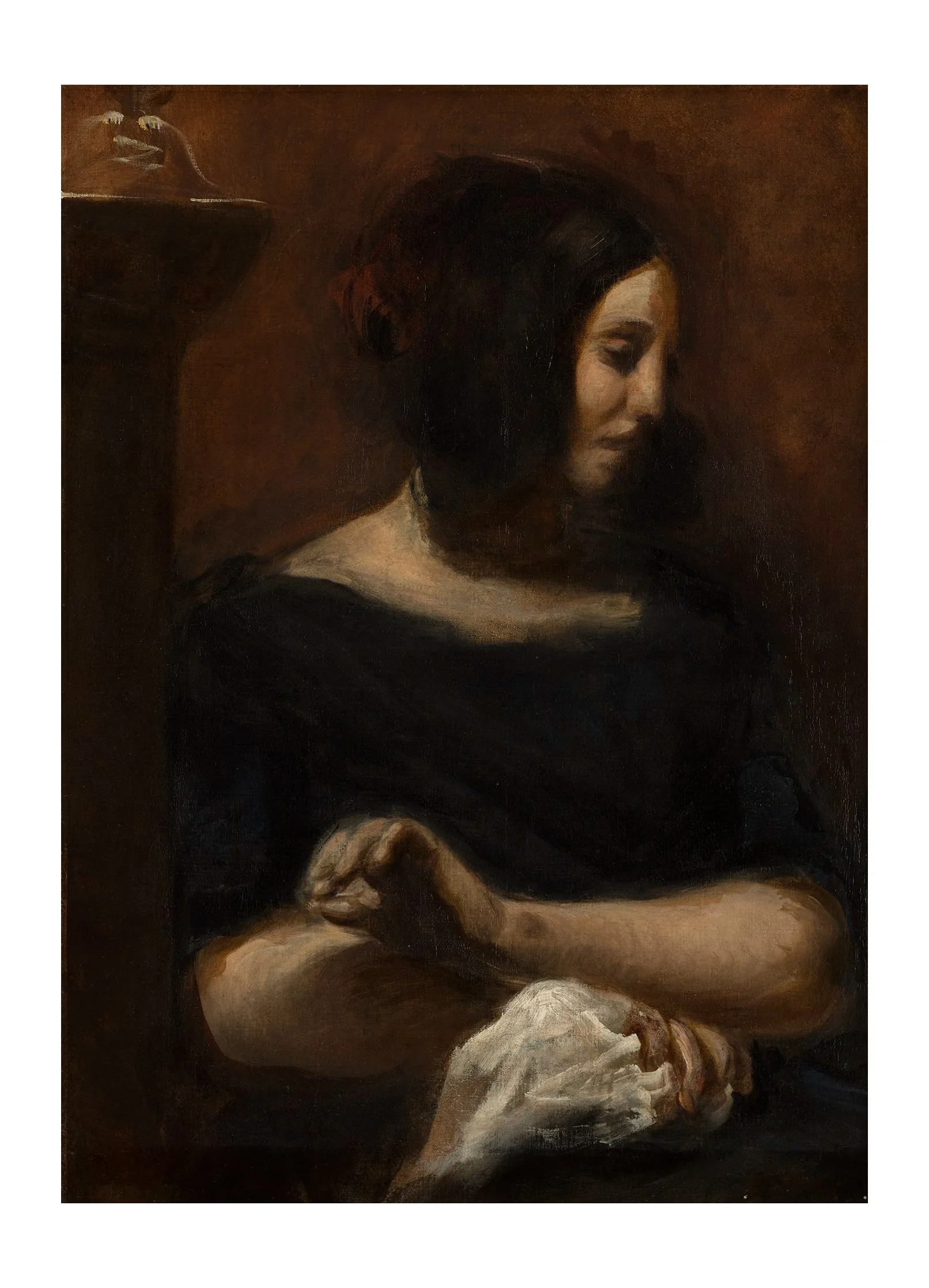
Eugène Delacroix: George Sand (1838), on exhibit at Ordrupgaard (Copenhagen)
The 1838 portrait of Chopin is one of the most recognizable paintings of the composer. Painted by Delacroix, it was originally one half of a larger painting in which George Sand was seated doing needlework next to Chopin who was at the piano. After Delacroix’s death, the owner of the portrait cut it in two and sold them separately, since doing so would sell for higher than a singular double portrait (similar to what happened to Leonardo da Vinci’s unfinished portrait of Saint Jerome Praying at the Wilderness, with various parts later found by Napoleon’s uncle in an antique shop and at a shoemaker’s). Today, the portrait of Chopin is on display at the Louvre Museum in Paris, while Sand’s portrait is at the Ordrupgaard Museum in Copenhagen — separated, much like how the two ended up in 1848.
Sand, who was an unconventional woman of her time, was a renowned writer in the Romantic era in her own right (under her male penname). The three artists — a writer, composer, and painter — visited each other’s homes regularly, exchanging ideas and influences. Delacroix, who especially held Chopin’s music and artistry in high regard, frequently mentions the composer in his journal, as well as of his visits to Sand and Chopin’s home. It is always intriguing to hear of friendships between great artists across different fields, especially from an age when there seemed to be more interconnectedness among the fields of arts and literature, as figures from one field closely influenced the other and vice versa. Just as Chopin’s music is incredibly rich in tonal color, expressivity and character, so are Delacroix’s paintings. When ideas are shared, it makes the world all the more vibrant and intriguing.
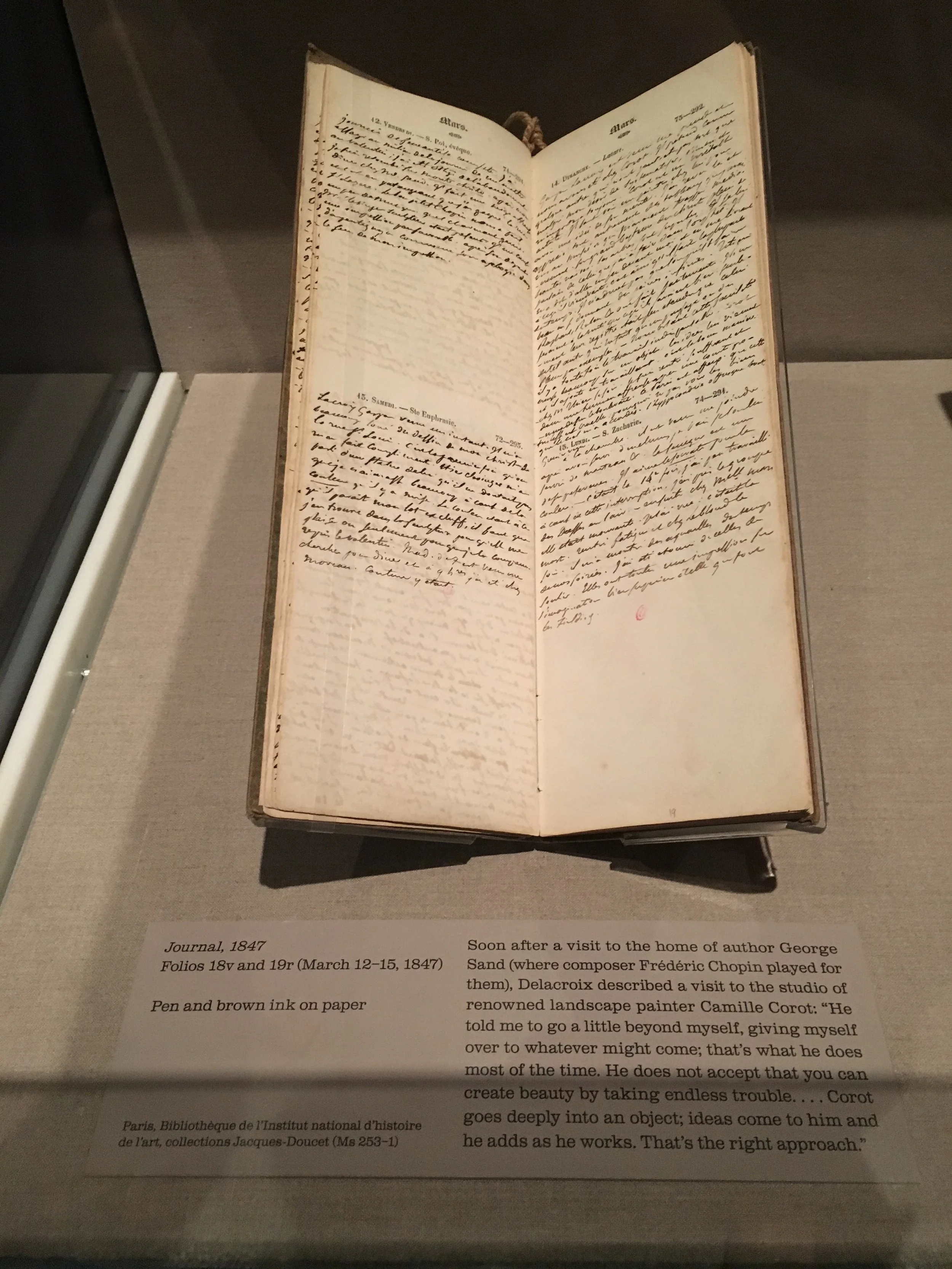
Eugène Delacroix: Journal (1847)
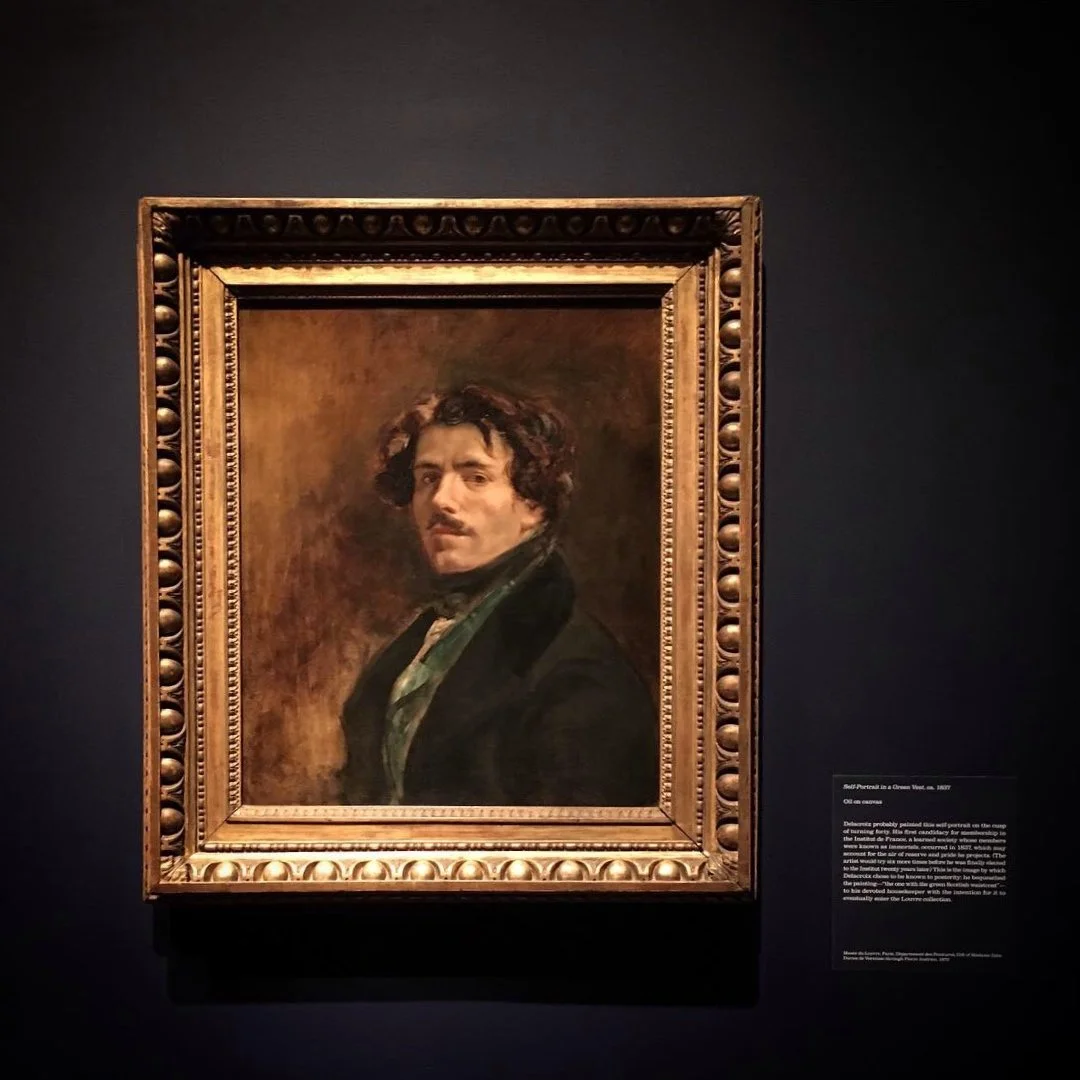
Eugène Delacroix: Self-portrait (1837)
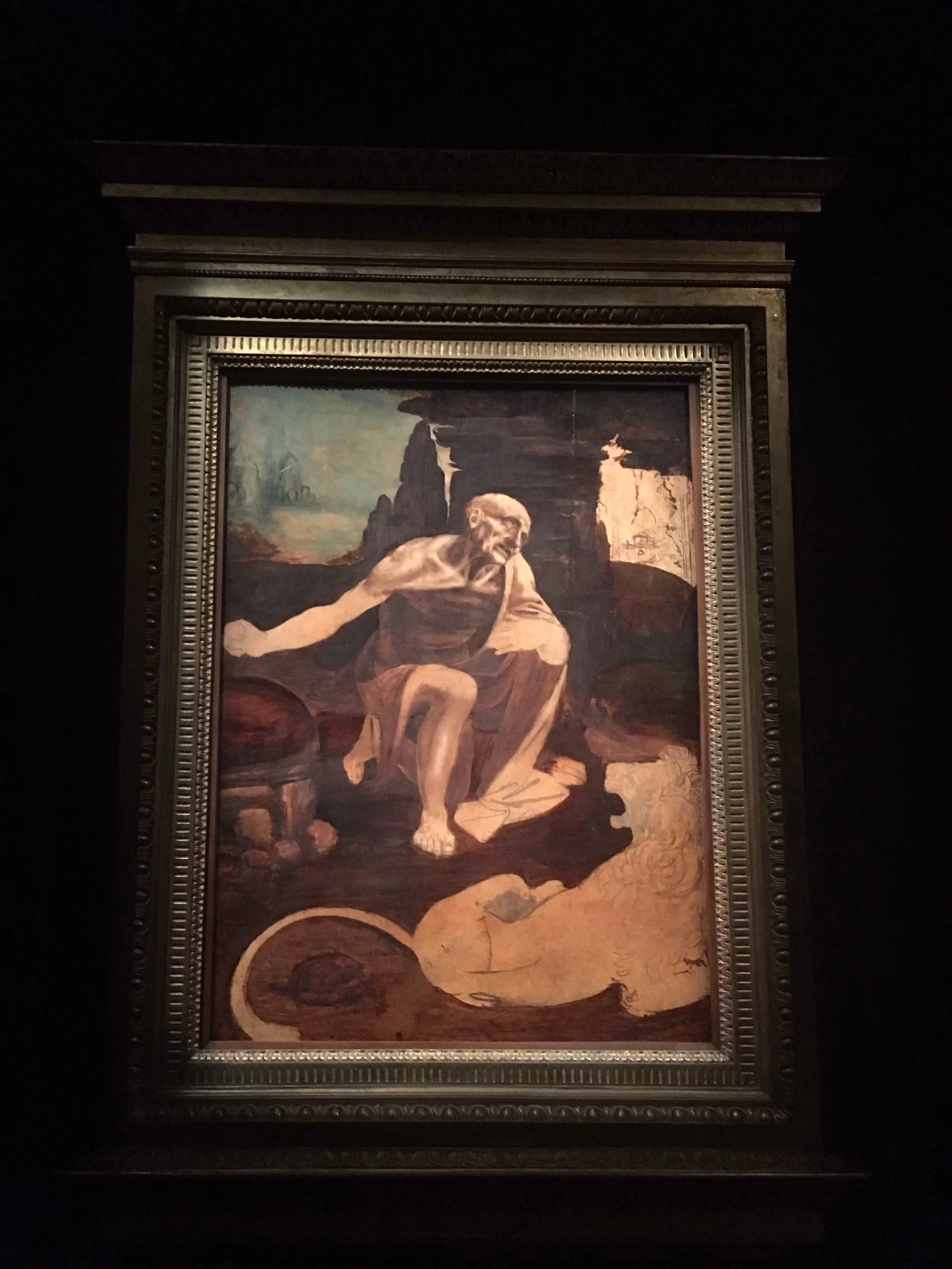
Leonardo da Vinci: Saint Jerome Praying in the Wilderness, unfinished (1482-1485)